Verified identity
Strong authentication helps confirm the person requesting access before protected resources are made available.
 Start a conversation
Verify every access decision
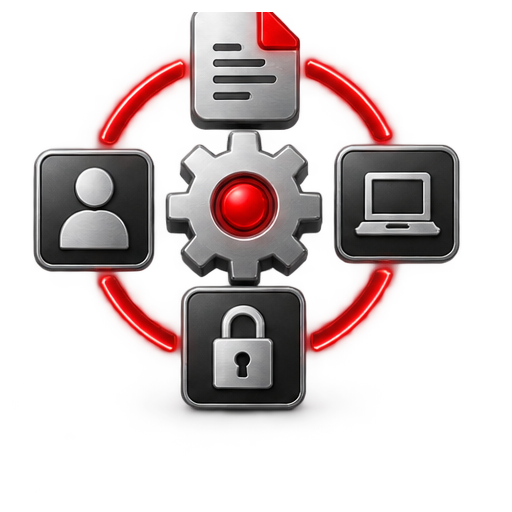
WatchGuard Zero Trust Bundle combines endpoint, identity, and secure-access controls so access decisions can account for who the user is, whether the device is trusted, and which resource is being requested.
Why it matters
Compromised credentials, unmanaged devices, and broad network access create avoidable exposure. Zero Trust uses multiple signals and least-privilege policy to make a more precise decision for each protected connection.
Core capabilities
Each capability addresses a specific part of the risk while sharing useful visibility with the broader WatchGuard ecosystem.
Strong authentication helps confirm the person requesting access before protected resources are made available.
Endpoint status and supported device context can contribute to access decisions instead of treating every device equally.
Users receive access to approved applications rather than broad connectivity to an entire private network.
Cloud-delivered web and firewall controls help protect users while they work beyond the office perimeter.
Policies can evaluate identity, group, device, location, time, and other supported conditions before granting access.
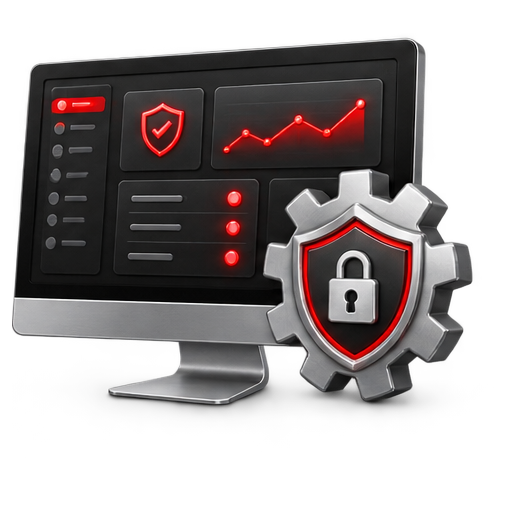
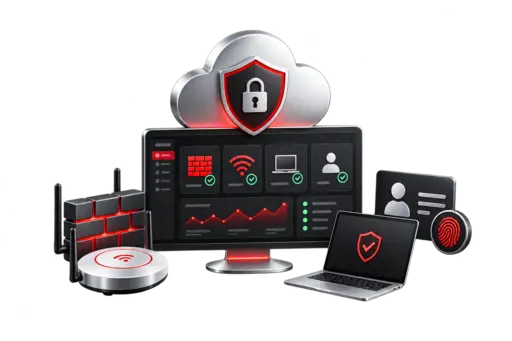
WatchGuard Cloud brings the connected identity, endpoint, and secure-access layers into one operational environment.
The identity foundation
Kenmie can align AuthPoint MFA, endpoint posture, and FireCloud access policy into one practical Zero Trust deployment.
The accountable layer
Technology becomes an operating security service when it is scoped, configured, monitored, maintained, and supported around the customer’s environment.
Business outcomes
Connected technologies

 ONE CONNECTED ECOSYSTEM
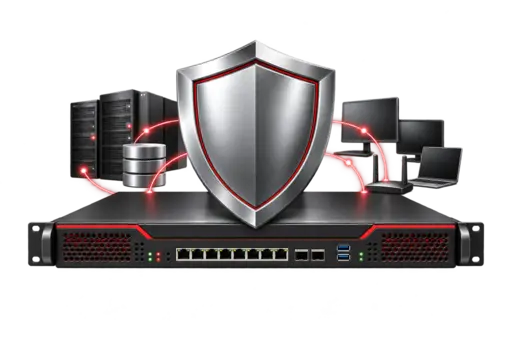 Firebox
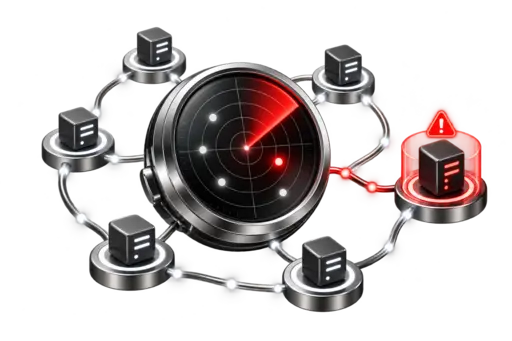 Network Detection & Response
 Access Points
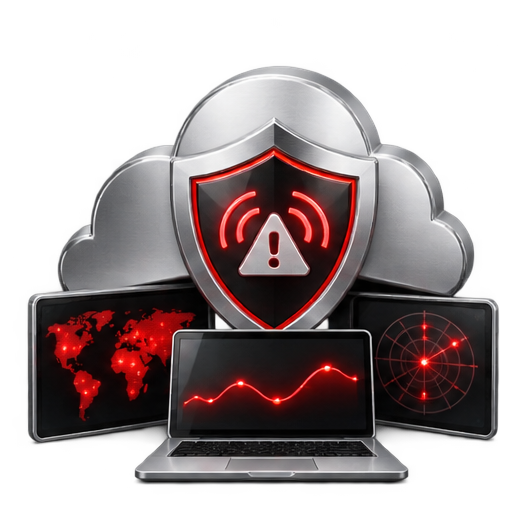 ThreatSync XDR
 FireCloud Internet Access
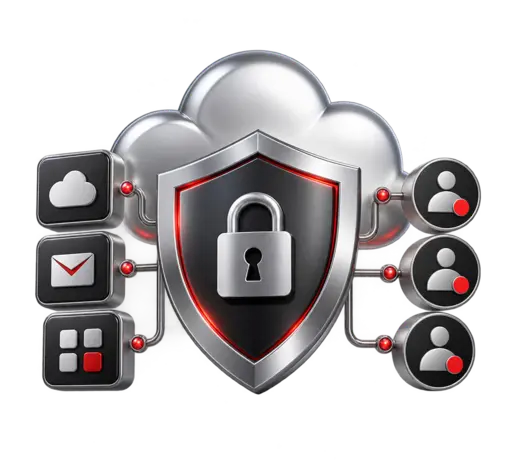 FireCloud
 Endpoint Security
 Endpoint Security Add-ons
 AuthPoint MFA
 Total Identity Security
 CloudDR
 Email Protection
 Patch Management
 Remote Monitoring & Management
 MDR Services
 Core MDR for Microsoft
 WatchGuard Cloud